December 15, 2025
Written By: Becca Hopkins
Reviewed & Fact-Checked By:
Dr. Elizabeth DeLomba, DVM
From slicker brushes to undercoat rakes and heavy-duty de-shedders, here's how to choose the right dog brush for your dog's coat type—plus, how to groom safely and without stress!
Jump to:
Regular brushing helps to remove loose, itchy hair; clean away dirt and disperse healthy natural oils; prevent minor tangles from turning into painful mats; and helps you spot any scrapes, cuts, or hot spots early.
The right dog brush often depends on coat type—not just brand or price. Maintaining your dog's coat also depends on good nutrition and a consistent routine.
Below, we suggest the best style of dog brush for different dog coat types While there are some breed examples alongside coat types, remember that there can be a variety of coat types within a single breed, so make sure you're choosing based on coat, not just breed.
Groom smarter, not harder!
Best Dog Brushes by Coat Type

Smooth Coat & Short Hair
This coat type includes breeds like Beagles, Boxers, French Bulldogs, Greyhound, etc. The best brushes for short-haired dogs include:
- Soft or medium bristle brush
- Rubber curry comb
- Rubber grooming mitt or glove
- De-shedding tool (as needed during seasonal shedding)
Tip: Use the curry comb or grooming mitt to loosen hair, then use short strokes of the bristle brush to smooth & shine the coat.

Rough Coat
This coat type is more of a style; it's found in many breeds, like Border Collies, Shelties, etc. Rough coats may be a medium or long length, and they may be a double or single coat. The best brushes for rough-coated dogs include:
- Slicker brush
- Pin brush
- Grooming rake
- Medium-toothed metal comb
Tip: De-shedding blades may be too rough for a rough coat and may struggle to reach the soft inner coat. For heavy shedding, use an undercoat rake.
Double Coat
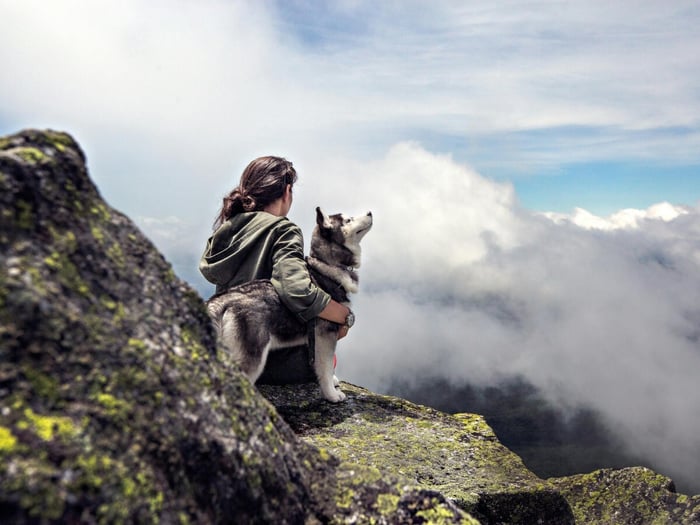
This coat type includes a variety of breeds like Huskies, Border Collies, Australian Cattle Dogs, Greater Swiss Mountain Dogs, Samoyeds, etc. Double coats may be short, medium, long, or "arctic". The best brushes for double-coated dogs include:
- Medium- or wide-toothed metal comb
- Grooming or undercoat rake
- Slicker brush
- De-matting comb (for serious tangles—use with caution)
Tip: Harsh shedding blades or de-shedding tools may damage or break the topcoat, which doesn't shed as often. For heavy shedding, use an undercoat rake.
Curly or Wooly Coat
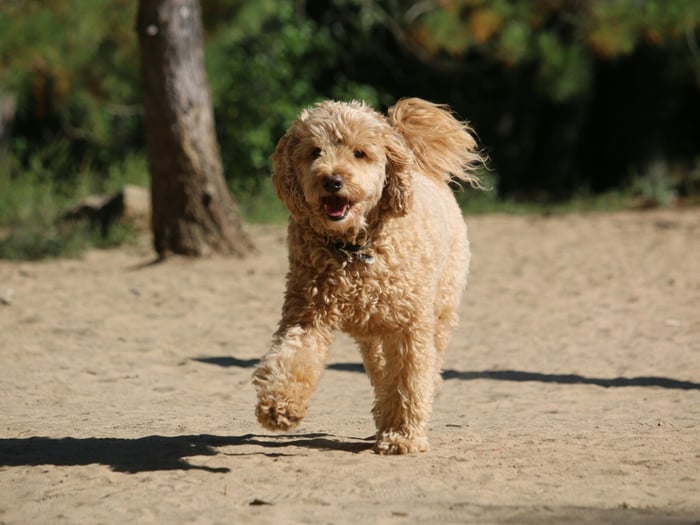
This coat type includes breeds like Portuguese Water Dogs, Poodles, Goldendoodles, Labradoodles, and most Doodles and Poodle mixes. The best brushes for curly-coated dogs include:
- Medium- or wide-toothed metal comb
- Grooming or undercoat rake
- Slicker brush
- De-matting comb (for serious tangles—use with caution)
Tip: Because of the unique way curly hair grows, this coat type demands a serious commitment to grooming. Small tangles can quickly turn into impossible mats, which can be painful and often need to be shaved away. Choose a high-quality detangling or conditioning spray to help keep curly coats under control.
Silky or Long Coat
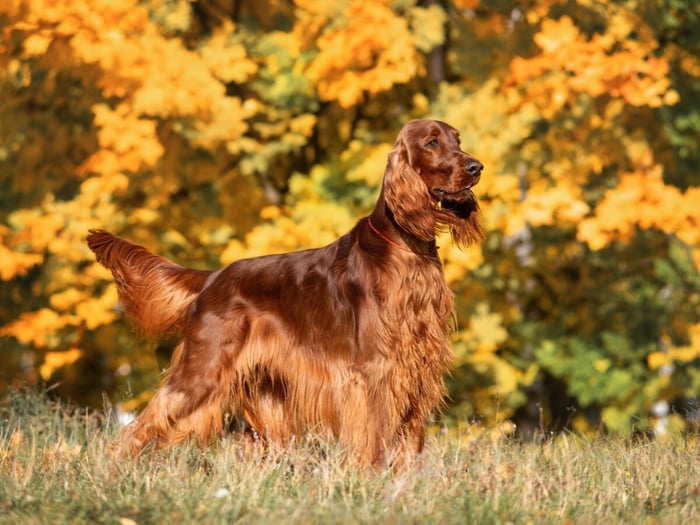
This coat type includes breeds like Yorkshire Terriers, Afghan Hounds, Irish Setters, and the well-named Silky Terrier. The best brushes for silky-coated dogs include:
- Medium- or wide-toothed metal comb
- Grooming or undercoat rake
- Slicker brush
Tip: Choose a high-quality detangling or conditioning spray to help keep this long, silky hair manageable and simplify your weekly grooming.
Wire-Haired Coat
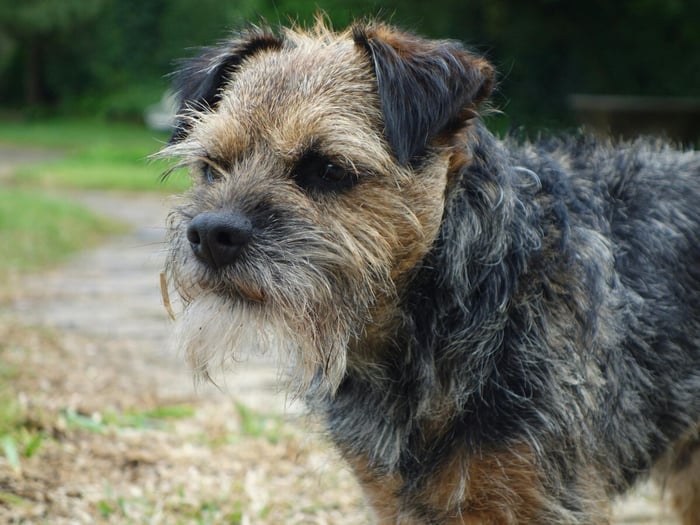
This coat type includes breeds like German Wirehaired Pointers, Border Terriers, Wire Fox Terriers, etc. The best brushes for wire-haired dogs include:
- Pin brush
- Slicker brush
- Medium-toothed metal comb
- Fine-toothed metal comb
Tip: Show dogs are often "hand-stripped", which involves pulling or cutting dead hair from the coat. This is a highly specialized process that should only be performed by trained individuals. Most wire-hair dogs can be groomed perfectly well with the brushes listed above!
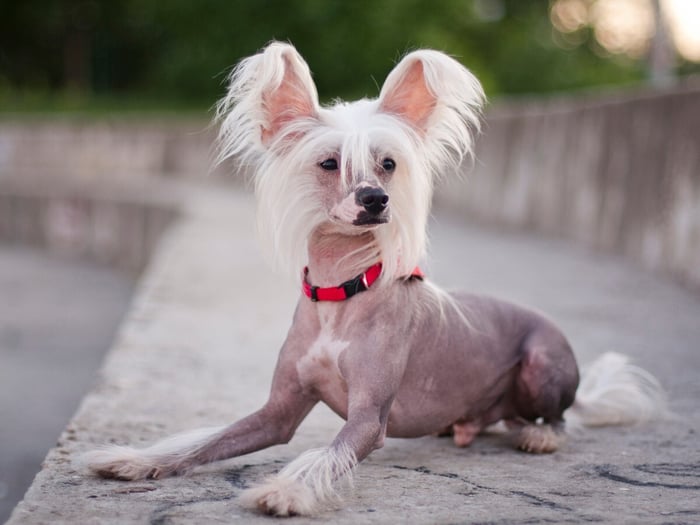
Hairless & Naked Dogs
Hairless dogs still need a consistent grooming routine! While breeds like Xoloitzcuintles (Xolos) and Chinese Crested Dogs have little to no fur, they still need careful & consistent grooming. You can still use brushes like:
- Soft bristle brush to "dry brush"
- Exfoliating or body mitt (to gently remove dead skin)
- Medium-toothed metal comb (to detangle sections of fur, if needed)
Tip: Bathe regularly with moisturizing shampoos to help protect skin from the elements and use a pet-friendly balm to help soothe dry skin.
Brush Types Explained
Pin Brush
Rounded pins that are gentle on skin; ideal for long/silky coats to maintain softness and reduce static.
Bristle Brush
Natural or synthetic bristles (boar hair is common) that smooth the outer coat and distribute natural oils throughout the fur and skin; best for short/smooth coats.
Slicker Brush
Fine, angled pins that catch tangles and light mats without tearing hair when used gently; great for curly, wool, long, wire, rough, and double coats.
Curry Comb
A flexible, nubby rubber brush that massages skin and lifts loose hair on short, smooth coats; dog-friendly for bath time and great for puppies and sensitive dogs.
Grooming Mitt/Glove
A rubber mitt that's worn on the hand to massage skin and loosen dead hair; best used on short or smooth coats and may be appropriate for hairless dogs; great for puppies and sensitive dogs.
Metal Comb
Often called a greyhound-style comb, these come in different sizes to offer convenient options for all types of coats. Fine-toothed combs are best for fine or silky hair; medium-toothed combs for rough, curly, or double coats; long-toothed combs are best for double or arctic coats.
Undercoat/Grooming Rake
Long, widely spaced teeth that reach dense undercoats; perfect for weekly maintenance for all medium to long coats, especially double coats.
De-Shedding Blade/Tool
A tool with a closely spaced metal edge that grabs loose undercoat during seasonal shed; use with light pressure and short passes on short and smooth coats. Some examples of this include the FURminator and the EasyGroomer dog brush.
De-Matting Comb
Long, widely spaced and serrated teeth that reach dense undercoats and can cut through matted hair; use gently and with caution, as the sharp teeth can cut skin—the dog's or yours.
Read more: Are You Using the Right Dog Brush? [3 Easy Steps]
Quick Reference: Brush Types & When to Use
| Brush | Best for Coat | Best Used For | Cautions |
|---|---|---|---|
| Pin brush | Long/silky; sensitive dogs | Daily maintenance; minor tangles | Not very effective at removing undercoat or loose hair |
| Bristle brush | Short/smooth; sensitive dogs | Distributing natural oils & boosting shine | Not very effective at removing undercoat or loose hair |
| Slicker brush | All medium or double coats | Detangling; minor mats | May be uncomfortable for very sensitive dogs |
| Rubber curry/mitt | Short/smooth | Removing dirt & loose hair; gentle massage | Not effective for medium or longer coats |
| Metal comb | All medium-to-long coats | Daily maintenance; detangling; removing loose hair | Can pull on tangles & cause discomfort if used without caution |
| Undercoat/grooming rake | Medium-to-long coats; double coats | Pulling out dead hair & undercoat | May snag & pull out healthy coat |
| De-shedding blade/tool | Short/smooth coats | Pulling out dead hair & undercoat | May snag & pull out healthy coat; may damage topcoat |
| De-matting comb | Curly/wooly or double coats | Detangling; stubborn mats | Sharp edges can cause injury if used without caution |

Grooming Checklist: What's in Your Kit?
If you're not sure where to start, there are a few grooming tools that are good to have on hand, no matter your dog's coat.
Build your grooming kit with these essentials:
- Metal comb
- Slicker brush (for medium, long, and double coats)
- Bristle brush (for short and smooth coats)
- Nail clippers
- Kwik Stop styptic powder
- Dog-safe shears
- Flea comb
It's also a good idea to buy a quality dog-safe shampoo, paw wax, and a detangling spray that's appropriate for your dog's coat type.
If you have a dog that requires clipping, you can invest in a good set of clippers to do that at home—or visit a groomer who can handle the clipping and the cleanup.
How Often Should You Groom Your Dog(s)?
The more often you can groom your dog, the more beautiful their coat will look and feel. During shedding season, especially, it's ideal to brush daily.
However, if busy schedules don't allow for daily grooming, here are a few general recommendations for grooming frequency by coat type:
| Coat Type | Grooming Frequency |
|---|---|
| Smooth or short single coat | 1x/week, thoroughly |
| Rough or double coat | 1-2x/week regularly; 2-3x/week during shedding season |
| Curly or wooly coat | Light slicker brush daily; comb thoroughly weekly to prevent mats |
| Doodle coats | Light slicker brush daily; comb thoroughly weekly to prevent mats; visit a professional groomer every 4-6 weeks to maintain the ideal Doodle coat |
| Silky or long coat | Every other day; detangle before tangles become mats |
| Wire-haired coat | 1-2x/week regularly; if hand-stripping, contact a professional |
| Hairless or no coat | Dry-brush or use a gentle grooming mitt 2-3x/week to exfoliate the skin |

When to See a Professional Groomer
See a professional groomer if you're dealing with severely matted hair, impacted or "felted" undercoat, or highly specialized coat care like hand-stripping or clipping.
If you have concerns about skin health, talk to your vet to get to the bottom of the problem. Then, find a qualified local groomer to help you develop a consistent skin- and coat-care routine.
You may want to work with a local groomer in your area just to remove the stress of needing to fully groom your dog by yourself! Some coats are a lot of work, and there's nothing wrong with calling in some help.
If your dog is sensitive, afraid of any of the grooming tools, or struggles to have their nails trimmed or their coat brushed, find a Fear Free Certified Groomer to help make the process as gentle, stress-free, and safe as possible. You can also try using calming supplements for dog grooming at home for maintenance in-between grooming visits.

FAQs
Does brushing reduce shedding?
Routine brushing doesn't necessarily reduce the rate at which your dog sheds, but it does help remove the loose hair before it drops off and creates "glitter" in your home. Weekly or daily brushing also helps to support skin health, coat health, and gives you a chance to do a full-body inspection to check for new hot spots, lumps, bumps, or bug bites. The right tools and routines make even heavy shedding feel more manageable. If you feel like your dog sheds excessively, a Skin & Coat supplement may help.
Is a de-shedding tool safe for puppies?
De-shedding tools can be harsh on soft coats and delicate skin. When grooming most puppies, it's best to use the gentlest tools (rubber curry, soft slicker, bristle brush) and very light pressure. This will make sure they have positive experiences every time. Typically, de-shedding tools are best used when their adult coat comes in, their skin is a little more resilient, and they really need the support to remove the new, denser coat. When in doubt, ask your veterinarian or groomer.
What’s the difference between a tangle and a mat?
Similar to human hair, tangles in dog fur are small twists or knots that you can gently brush out. Mats are dense clumps that are close to the skin and can be painful—they can even cause hot spots because these mats trap heat and moisture close to the body. In many cases, stubborn mats need to be clipped out or require professional help to fully comb out the mat. For severely matted dogs, the dog almost always needs to be shaved down to the skin level, so it's best to tackle tangles before they turn into mats.
Can I brush a dog when their coat is wet?
You can brush a dog while wet, with the appropriate brush. A pin brush or metal comb may be able to glide through hair when wet, but most coats will be easier to brush when slightly damp (preferable with a spritz of detangling spray). If you want to try to remove undercoat during a bath, rubber grooming mitts or curry combs or a wide-toothed grooming rake can be helpful for this. Avoid fine-toothed combs or de-shedding tools on a wet coat because they're likely to snag and pull hair.
How do I know when it’s time to go to a professional groomer?
If you see tight mats, skin irritation, or your dog is stressed despite short, positive sessions, a professional can help you get your dog's coat back to a healthy place and help you build a plan for maintenance. If you struggle to keep up with a consistent and thorough grooming routine for any reason, consider scheduling consistent grooming appointments to help keep your dog looking and feeling their best.